(708) 775-3648

Why Luxury Vinyl Plank Flooring Is the Best Value for Style, Durability, and Easy Maintenance
Matt Pehr
July 11, 2026
Request An Estimate
Picking the right floor comes down to three things: style, toughness, and low maintenance. Luxury vinyl plank flooring hits that balance: realistic wood and stone visuals with waterproof, scratch-resistant constructions that typically cost less over the life of the floor than hardwood or tile. This post explains construction and wear layers in plain terms, compares lifecycle costs and installation choices, and gives practical maintenance and product guidance for homeowners in Mokena, Naperville, and the greater Chicago suburbs.
Why homeowners are choosing luxury vinyl plank flooring right now
Market reality: luxury vinyl plank flooring is not a trendy detour anymore. It is the default choice for homeowners who want authentic wood or stone visuals without the fragility, cost, and upkeep that come with natural materials. Builders, renovators, and rental property owners in the Chicago suburbs are picking LVP because it hits three practical targets at once – look, resilience, and low maintenance.
Style without compromise: Modern vinyl plank designs reproduce realistic wood grain and embossed textures that read as authentic at arm’s length. That matters when buyers, guests, or tenants are judging a space. Products from COREtec, Shaw Floorte, and Mannington now offer wide plank formats, realistic beveling, and textured surfaces that outperform older vinyl in appearance and feel.
- Waterproof practicality: Many high-end lines are fully waterproof, making LVP a better choice than hardwood for basements, kitchens, and bathrooms – see What is the Best Waterproof Flooring for a Basement? – The Floor 4U.
- Durable core options: SPC and WPC cores give dimensional stability and improved dent resistance compared with early vinyl plank constructions.
- Cost-performance balance: Upfront material and installation costs are frequently lower than engineered hardwood and porcelain tile while delivering similar visual impact.
Tradeoff to accept: LVP is not hardwood and cannot be refinished. Thinner wear layers on budget product will show heavy traffic and pet claws sooner. The practical choice is to buy the right wear layer for your household – 12 mil plus for kids and pets – rather than assume all LVP performs the same.
Concrete example: A Naperville kitchen remodel used COREtec Plus wide planks to get a warm European oak look while avoiding the seasonal expansion problems hardwood creates over radiant heat. In a rental refresh, Mohawk SolidTech was chosen for its value-level warranty and scratch resistance, reducing turnover downtime and maintenance calls. Those are typical real-world tradeoffs – choose finish and wear layer to match the room purpose.
Practical judgment: In real installations, the majority of post-install issues come from poor subfloor prep or wrong product choice for the room, not the material itself. Professional installation and correct moisture mitigation convert waterproof vinyl flooring into a durable, low-care finish; DIY floating installs are fine in stable, dry areas but risk warranty gaps in basements or over problematic substrates.
Key takeaway: For homeowners who want a high-end look, real durability, and easy cleaning without the expense of hardwood or tile, luxury vinyl plank flooring delivers the best value, provided you match core type and wear layer to the room and use professional installation when moisture or subfloor issues exist.
Next consideration: When you shop, prioritize product construction and wear layer over color or texture. After that, decide whether the room needs full waterproof performance or a value-grade option for low-traffic areas.
How luxury vinyl plank construction creates real durability
Construction, not appearance, decides how long luxury vinyl plank flooring will perform. Two floors can look identical in a showroom and behave completely differently under kids, pets, and moving day.
Layer by layer: what matters and why
Wear layer is the main durability engine. The clear top film and its factory finish determine scratch, scuff, and stain resistance far more than the decorative print under it. Look for UV-cured urethane or ceramic bead finishes on premium lines because those coatings reduce visible wear in high traffic areas.
Print film and embossing protect appearance. Realistic wood grain vinyl planks combine high-resolution photographic layers with textured embossing to hide minor surface marks. That embossed texture also reduces the appearance of light scratches compared with glossy smooth surfaces.
Core and backing control stability and dent resistance. Rigid cores give dimensional stability. Backing layers add balance and often include underlayment for sound control and comfort.
SPC versus WPC – pick what fits the room
SPC (stone plastic composite) cores are dense and flat. That density translates to better resistance to heavy furniture legs and rolling loads, and superior performance over imperfect subfloors that are otherwise hard to level. For basements and kitchens where you want minimal movement, SPC is the safer choice. See product lines and technical specs from Armstrong for examples.
WPC (wood plastic composite) cores feel softer underfoot and mask subfloor irregularities better. They offer more sound dampening and a slightly warmer feel, but they compress more under point loads and can be less stable in extreme temperature swings. Use WPC where comfort and acoustics matter more than maximum load resistance.
- 6 mil wear layer – Suitable for light residential use such as guest rooms, low-traffic dining rooms, and model homes.
- 12 mil wear layer – The sweet spot for most families with pets and kids; balances cost and real-world durability.
- 20+ mil wear layer – Best for heavy residential use and light commercial settings where abrasion and concentrated wear are common.
Practical tradeoff. Heavier wear layers and rigid SPC cores increase cost and can reduce flexibility at thresholds. Very thick cores also require tighter tolerances during installation and can highlight uneven transitions. Thicker is not always better if your subfloor is poorly prepared.
Concrete example: A Naperville townhouse project used Armstrong rigid core planks with a 12 mil factory finish in the lower level. After professional subfloor leveling and a moisture check following local recommendations in the TheFloor4U basement guide, the floor handled a sectional sofa, exercise equipment, and steady pet traffic without visible finish failure after three years.
What people misunderstand. Buyers fixate on how true the wood grain looks and underweight the importance of surface chemistry and core type. In practice, a realistic wood-look vinyl plank with a weak finish will show wear long before a slightly less convincing print with a strong ceramic bead coating.
Key takeaway: Prioritize wear layer chemistry and core type for the room you are finishing. Choose SPC for stability and heavy loads, WPC for comfort and quiet, and 12 mil or higher wear layers for family homes with pets and kids. For basement installs start with a moisture check and follow What is the Best Waterproof Flooring for a Basement.
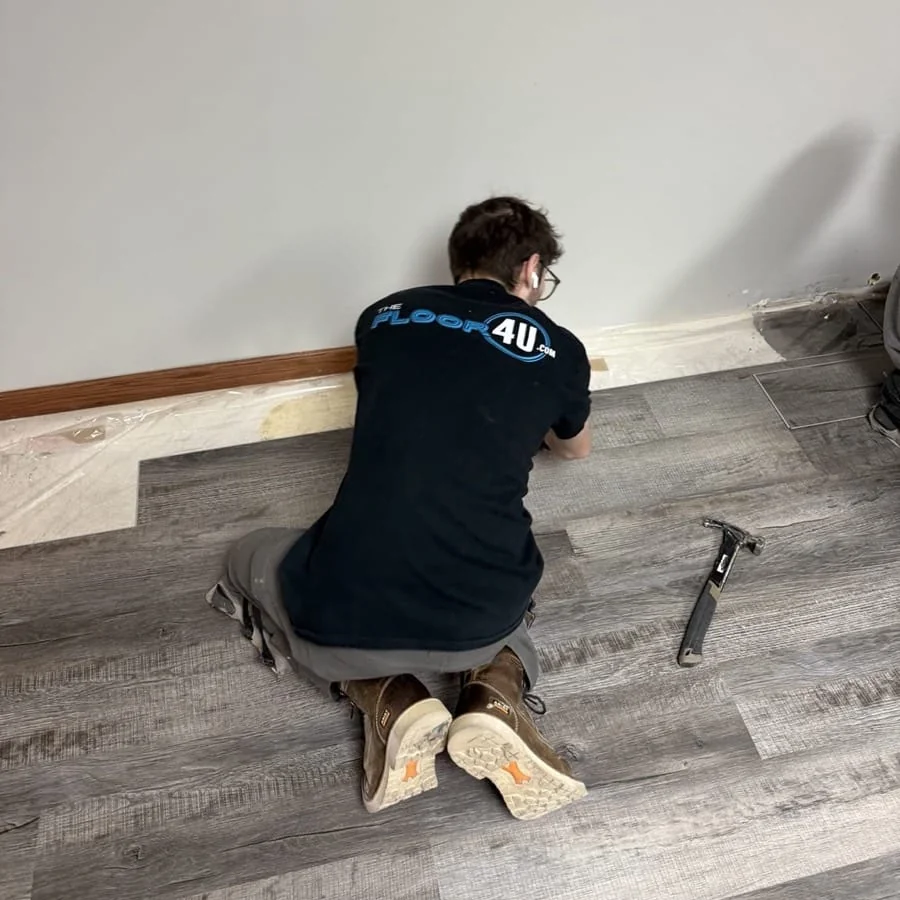
Style choices and product recommendations for different budgets
Direct point: If you want authentic looks without premium hardwood prices, luxury vinyl plank flooring gives you sensible style choices at every budget, but the right product depends on room, traffic, and how visible the floor will be.
How to choose by budget and room
Budget tiering matters more than brand alone. For kitchens, basements, and high-traffic family rooms spend where performance counts; for spare bedrooms or a rental refresh you can prioritize cost and style.
- Value (approx. $2.50 to $4.00/sq ft material): Vinyl plank flooring with a 6 to 12 mil wear layer, usually thin SPC or flexible core. Good for rentals, low-visibility rooms, and quick updates. Expect acceptable realism but flatter embossing and fewer finish options.
- Mid-range (approx. $4.00 to $6.50/sq ft material): Brands like Mohawk SolidTech and Shaw Floorte hit this sweet spot. Look for 12 to 20 mil wear layers, textured embossing, wider plank choices, and full waterproof cores. This is the best balance of style, durability, and cost for most homes.
- Premium (above $6.50/sq ft material): COREtec Plus, Armstrong Rigid Core, and Mannington Adura Max sit here. Expect commercial-grade wear layers, deeply embossed realistic wood grain, multi-width plank collections, and premium finishes that mimic hand-scraped or wire-brushed hardwood.
Practical tradeoff: Wider planks and heavy embossing deliver high-end looks, but they also reveal subfloor imperfections and expand/contract more noticeably. If your subfloor is anything less than flat, choose narrower planks or a rigid SPC core and invest in proper subfloor prep.
Design details that change the look and value
Plank width and profile are style levers. Narrow 3 to 4 inch planks read traditional; 7 to 9 inch planks feel contemporary and dressier. Bevels make planks look like individual boards; microbevels or square edges look more seamless and modern.
Texture and finish affect perception. Deep embossed grain plus a matte finish gives the most realistic wood-look. High gloss makes vinyl look less authentic and shows scratches; avoid it in family and pet rooms.
- Color choice: Lighter tones open small rooms; medium warm tones hide dirt better than very dark floors.
- Transitions and trim: Match transition profiles to plank thickness to avoid trip hazards and maintain a premium feel.
- Bathroom and basement: Always pick fully waterproof vinyl planks and check manufacturer guidance; see TheFloor4U basement guide for local moisture considerations What is the Best Waterproof Flooring for a Basement? – The Floor 4U.
Concrete example: A Naperville kitchen remodel used Shaw Floorte mid-range planks with a 12 mil wear layer and wire-brushed matte finish. The homeowner got a near-hardwood look, full waterproofing for the kitchen, and a product that stood up to pets and daily spills for under the cost of engineered hardwood.
Rule of thumb: For active family rooms and homes with pets choose 12 mil or higher and a rigid core; for guest rooms or low-use areas 6 to 12 mil is acceptable.
If you plan DIY installation, pick click-lock systems rated for floating installation and test fit a few cartons to confirm color consistency. For premium and wide-plank collections, professional installation is usually worth the cost.
Judgment call: High-end vinyl flooring outperforms cheap LVP in resale perception when the finish and installation look intentional. Cheap planks installed poorly read like a quick flip; premium lines installed cleanly read like a design choice, and that matters at sale time.
Next consideration: Choose products and plank styles after confirming subfloor condition and intended installation method; if you need help deciding or a local sample install, our showroom and installation team can walk options and costs in person. See tile and installation services for what we offer Tile Flooring Services in Mokena, IL from The Floor 4U.
Maintenance made simple: cleaning routines and long term care
Clear starting point: luxury vinyl plank flooring is low-maintenance, not maintenance-free. A short, regular routine prevents the small problems that become expensive later and keeps your floor looking like new for years.
Daily, weekly, and seasonal care that actually works
- Daily: dry sweep or use a vacuum without a beater bar to remove grit and dust before it abrades the wear layer.
- Weekly: damp-mop with a microfiber mop and a manufacturer-approved, pH-neutral cleaner; use minimal water and change mop pads when dirty.
- Monthly: inspect high-traffic zones, trim pet nails, and move rugs briefly to check for trapped dirt or color transfer.
- Seasonal: check thresholds and transitions for movement; in winter watch salt and sand at entryways and clean them off promptly to avoid micro-abrasion.
Practical limitation: avoid heavy scrubbing and do not use steam cleaners. Steam and harsh alkaline cleaners break down surface coatings over time and commonly void manufacturer warranties. When a cleaner says safe for vinyl, follow the dilution instructions exactly.
Spot care and stain removal – simple, fast, effective
- Fresh spills: blot with a microfiber cloth, rinse with clean water, then dry. Do not rub aggressively.
- Grease or oil: apply a small amount of dish soap and warm water, work gently, rinse, and dry.
- Ink, marker, or cosmetics: rub gently with isopropyl alcohol on a soft cloth, then rinse with water.
- Dried messes: loosen with a plastic scraper before wiping – metal scrapers and steel wool will scratch the textured surface.
When spot cleaning is not enough: deep discoloration, adhesive residue, or cupping after a flood usually requires plank replacement or professional attention. Our team at TheFloor4U will assess whether a replacement plank, localized sanding of transition edges, or subfloor repair is the correct fix.
Do not use steam cleaners, oil-based soaps, or abrasive powders on luxury vinyl plank flooring.
Preventative measures that pay off: use non-staining mats at exterior doors, felt pads under chairs and heavy furniture, and a runner in kitchen work zones. For pet owners, keep nails trimmed and use a slightly more aggressive vacuum schedule. Avoid rubber-backed mats that can cause discoloration over years; look for mats labeled non-staining.
Moisture and warranties – what matters in practice: many LVP products are waterproof, but warranties often require proper installation and moisture control. If you are finishing a basement or have a history of moisture, address hydrostatic or persistent dampness before installation. See our basement guide for local considerations and mitigation steps What is the Best Waterproof Flooring for a Basement? – The Floor 4U.
Key takeaway: a three-step routine – remove grit daily, damp-mop weekly with a pH-neutral cleaner, and protect high-traffic zones – will preserve finish, reduce replacement odds, and keep warranty claims valid.
Concrete example: in a Naperville family kitchen with two dogs, the practical recipe is daily vacuuming, weekly damp-mopping with a manufacturer-approved cleaner, felt pads on chairs, and a washable runner in front of the sink. After a minor under-sink drip that seeped under cabinets, our installation team replaced three planks and checked the subfloor – a cheaper, faster outcome than stripping and refinishing hardwood would have been.
Next consideration: if you want a maintenance plan tied to warranty protection and local conditions, schedule an in-home check. Our team evaluates traffic patterns, recommends cleaners, and documents existing conditions to avoid surprises later.
For product-specific care instructions consult the manufacturer or a trusted reference like the Home Depot luxury vinyl guide Luxury Vinyl Flooring Guide before trying a new cleaner or tool.
Cost, value, and lifecycle comparison with hardwood and tile
Straight to the point: luxury vinyl plank flooring routinely beats hardwood and porcelain tile on total cost of ownership for most suburban remodels, not just material price but installation, upkeep, and realistic replacement timing. Homeowners in Mokena and Naperville choose LVP because the immediate savings are real and the long-term expenses are predictable.
Real dollars: material + installation ranges
| Product | Material cost (per sq ft) | Typical professional install (per sq ft) | Total typical first-cost (per sq ft) |
|---|---|---|---|
| Luxury vinyl plank flooring (residential LVP) | $2.50 – $7.00 | $1.50 – $4.00 | $4.00 – $11.00 |
| Engineered hardwood | $5.00 – $12.00 | $3.00 – $6.00 | $8.00 – $18.00 |
| Porcelain tile | $5.00 – $15.00 | $5.00 – $10.00 | $10.00 – $25.00 |
Key observation: those ranges are realistic for average rooms; specialty hardwood species, large-format tile, or intricate tile patterns push costs to the high end quickly. LVP stays comparatively steady because installation is faster and waste is lower on plank installs.
Lifecycle costs and what manufacturers do not tell you
- Hardwood – long-term tradeoff: higher resale appeal in certain markets because it can be refinished multiple times; but refinishing costs $2 to $4 per sq ft every 7 to 20 years depending on wear, plus sanding-related disruption and VOC exposure during the process.
- Tile – long life, hidden upkeep: tile can last decades, but grout lines require periodic deep cleaning or resealing (labor cost), and damaged tiles are expensive to match and replace, especially if the tile line is discontinued.
- LVP – predictable replacement: luxury vinyl plank flooring rarely needs expensive repairs; it cannot be refinished, so when the surface is worn you replace planks. Replacement cost tends to be lower and faster, and many modern LVPs are fully waterproof so they avoid moisture-related replacement costs common with hardwood.
Practical insight / limitation: If your priority is the ability to repeatedly refinish an heirloom floor, hardwood is the only choice that delivers that value. For most families (kids, pets, basements), the cost-to-performance ratio favors LVP: lower upfront, lower service needs, and simpler replacement when the product reaches end of life.
Concrete example: A 1,200 sq ft main level: installing mid-range LVP runs roughly $6,000 to $13,200 installed. The same area in engineered hardwood will typically be $9,600 to $21,600 installed. Over 15 years factor one refinishing for hardwood (~$3,600) and grout/seal upkeep for tile, and the lifetime gap narrows further in LVPs favor because you avoid recurring sanding and grout maintenance costs.
Resale and perception judgment: LVP that mimics high-end wood can perform well during listings, but in upscale neighborhoods buyers still notice real hardwood in primary living spaces. Choose LVP strategically where its advantages matter most, kitchens, bathrooms, basements, and rentals, and reserve hardwood where buyer expectation and resale premium justify the cost.
Bottom line: For budget-conscious homeowners who need style, waterproofing, and minimal lifecycle surprises, luxury vinyl plank flooring is usually the best value. If your project is driven by the ability to refinish and extract decades of life from a single surface, hardwood remains the specialized choice.
Next consideration: When you get estimates, insist on line-item breakdowns for material, underlayment, transitions, and subfloor prep. Those small line items are where tile and hardwood projects balloon, and where TheFloor4U can save you money with correct scope and local experience. See our basement waterproofing guide for how moisture control affects lifecycle costs.
Installation options, warranties, and TheFloor4U services
Bottom line: Proper installation and warranty management determine whether your luxury vinyl plank flooring is a one time success or a recurring headache. The product you pick matters, but the installation method and the fine print of the warranty matter more for long term performance.
Installation methods and trade offs
Floating install: A click together floating floor is the fastest and usually the least expensive installation option. It is appropriate for most living areas and upstairs rooms, but it will telegraph subfloor irregularities and is not always the best choice for very large open plans or where maximum rigidity is required.
Glue down and full spread adhesive: Glue down is more stable, reduces movement noise, and often performs better under heavy furniture or rolling loads. Full spread glue down to a properly prepared subfloor is the preferred choice for basements with elevated moisture readings and for commercial grade traffic when manufacturers allow adhesive methods.
- Pros and cons – Floating: Low cost and DIY friendly; can expand and contract so leave correct expansion gaps; not ideal where moisture mitigation is required
- Pros and cons – Glue down: Better stability and transfer of load; higher labor cost and relies on correct adhesive selection and subfloor prep
- Pros and cons – Full spread adhesive over concrete: Best resistance to telegraphing and movement on slab floors; requires clean, flat substrate and often vapor mitigation to protect the warranty
Practical consideration: The most common cause of post installation failures is inadequate subfloor preparation and undiscovered moisture. Spending on a proper moisture test and surface prep is cheaper than repairing a ruined floor and fighting warranty denials later.
Concrete example: In a recent Naperville basement project we performed a calcium chloride test and found elevated slab moisture. We installed a manufacturer approved vapor mitigation system and used a full spread adhesive with an SPC plank specified for below grade use. The result was a truly waterproof vinyl flooring installation that kept the manufacturer warranty intact and avoided post installation cupping and adhesive failures.
Warranties and what to watch for
Read the fine print: Warranties vary by brand and product line and commonly cover wear layer abrasion, manufacturing defects, and sometimes waterproof performance. Many warranties condition coverage on correct installation, moisture testing, and use of approved adhesives or underlayments.
DIY versus certified installer: Installing yourself can save money, but manufacturers often limit or void parts of the warranty if an uncertified installer did the work or if installation instructions were not followed. If warranty coverage matters to you, budget for a certified installer.
Where to check: Look for warranty details on manufacturer sites such as COREtec and in product literature. Also consult the Home Depot luxury vinyl flooring guide for general expectations on wear layers and coverage.
Important warranty tip – Register your product, keep receipts, and document pre installation moisture tests and the installer used. Manufacturers deny claims more often when paperwork is missing.
Key takeaway: Subfloor prep and following manufacturer installation instructions are the single best ways to protect both your floor and the warranty. Professional installation is an investment that reduces risk and often speeds up claim resolution if a problem arises.
How TheFloor4U removes the risk
Local services that matter: We offer showroom consultations, in home measurements, moisture testing, and a certified installation team experienced with floating, glue down, and full spread installations. For basements we coordinate moisture mitigation and can advise when to combine LVP with our tile or waterproofing services; see our basement guide at What is the Best Waterproof Flooring for a Basement?.
Warranty handling and paperwork: Our installation team follows manufacturer instructions, registers installations when required, and provides you with the test results and installation report you need to preserve warranty rights. That paperwork matters when a claim arises.
Next consideration: Before you buy, schedule a free in home estimate and moisture test so you can compare floating versus glue down pricing with warranty implications clearly spelled out. If the slab has any moisture risk, treat that as the primary deciding factor for installation method and product choice.
Best rooms and use cases for luxury vinyl plank flooring
Best fit: luxury vinyl plank flooring performs where you need realistic style plus real-world toughness: wet rooms, high-traffic zones, rentals, and finished basements. It is not a one-size-fits-all replacement for every surface in the house, but in the rooms below it routinely outperforms hardwood and tile when you factor in cost, maintenance, and moisture resistance.
Rooms and practical use cases
- Kitchens: vinyl plank flooring provides the look of hardwood without worrying about spills or dropped pans. Choose a scratch-resistant finish and a 12 mil or thicker wear layer in busy family kitchens.
- Bathrooms: waterproof vinyl flooring with tight-fitted seams or a full-spread glue installation is the safest choice. Select products with manufacturer wet-area warranties when possible.
- Basements: luxury vinyl plank flooring is one of the best finishes for basements when paired with moisture mitigation. For local guidance on preparation and vapor control, see What is the Best Waterproof Flooring for a Basement? – The Floor 4U.
- Laundry rooms and mudrooms: textured vinyl planks give slip resistance and clean easily from tracked-in grit and salt. Consider thicker cores or commercial-grade planks where boots and heavy traffic are constant.
- High-traffic entries and hallways: choose durable vinyl plank flooring with a heavier wear layer and tighter embossing to hide scuffs; transitions to tile or carpet should be planned to avoid abrupt elevation changes.
- Rental units and short-term stays: the combination of affordability, fast vinyl flooring installation, and low maintenance makes LVP flooring a practical choice for landlords who need reliable turnover performance.
Concrete example: In a Naperville townhouse we installed SPC luxury vinyl plank flooring with a 12 mil wear layer through the kitchen and living area, using a full-spread adhesive at thresholds to adjacent tile. The family reported straightforward cleaning, no grout upkeep, and no seasonal cupping problems after 18 months because the subfloor was leveled and a moisture test was performed before installation.
When not to use LVP: avoid placing it in unconditioned garages or directly over outdoor-exposed sunrooms without shading, because extreme temperature swings and UV can accelerate color shift or expansion. Also choose real hardwood in a small number of visible, high-value spaces where buyers expect refinishable wood on sight.
Room-specific selection checklist
- For wet rooms: insist on fully waterproof cores (SPC or WPC) and check the wet-area warranty.
- For heavy traffic: specify 12 mil wear layer or higher and textured or embossed surfaces to hide scratches.
- For comfort underfoot: pick WPC or thicker underlayment options for kitchens or living rooms where standing comfort matters.
- For rentals/commercial light use: look at commercial-grade vinyl planks and confirm warranty transferability.
- For basements: require a moisture test and follow recommended subfloor prep to protect the warranty and long-term performance.
Key takeaway: Use luxury vinyl plank flooring where moisture, traffic, and upkeep matter most; reserve solid hardwood for a few showpiece rooms if resale optics are your top priority.
Next consideration: pick a plank and core that match the room function, then verify local subfloor and moisture conditions before you buy. If you want help matching products to specific rooms in Mokena or Naperville, our showroom team can run the checklist with you and show samples in natural light.
Share
Recent Posts
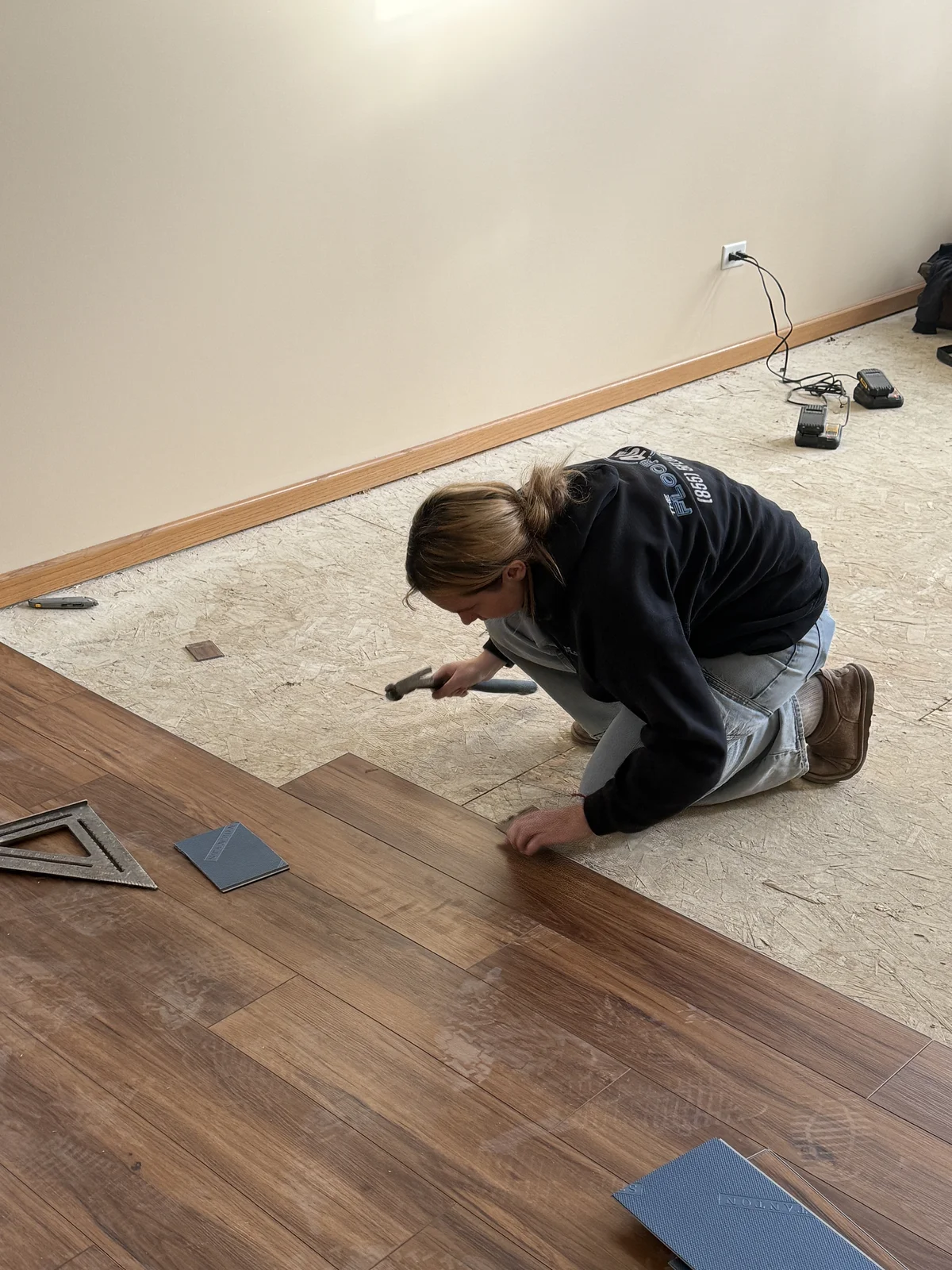
September 6, 2026
Who Installs Luxury Vinyl Plank Flooring in Plainfield, IL?
Written by Matt Pehr, owner of The Floor 4U. Yes. The Floor 4U installs luxury vinyl plank flooring in Plainfield, IL, working out...
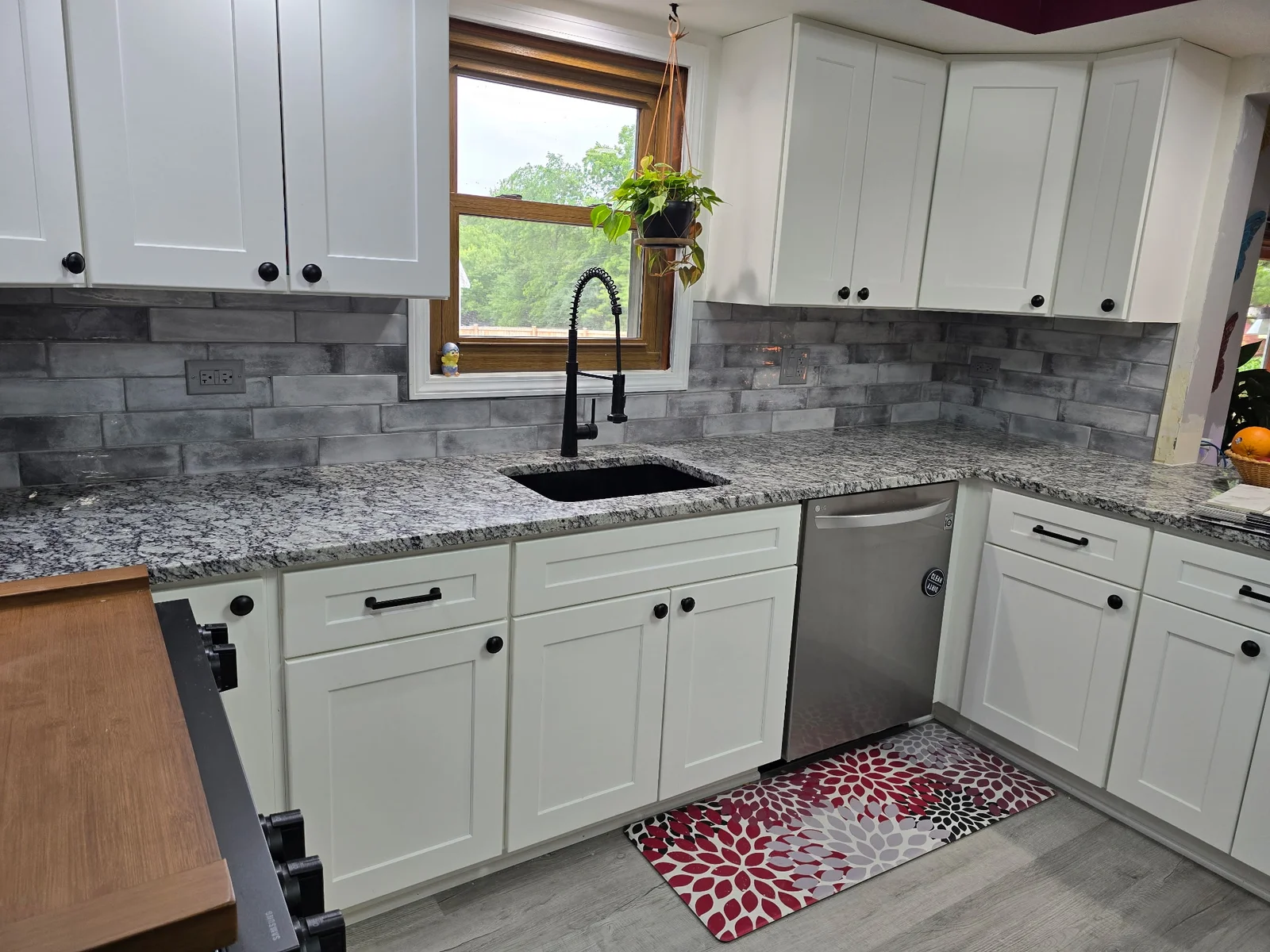
September 5, 2026
Can You Install a Kitchen Backsplash in Orland Park, IL?
Written by Matt Pehr, owner of The Floor 4U. Yes. The Floor 4U installs kitchen and bathroom backsplashes in Orland Park, IL. Backsplash...
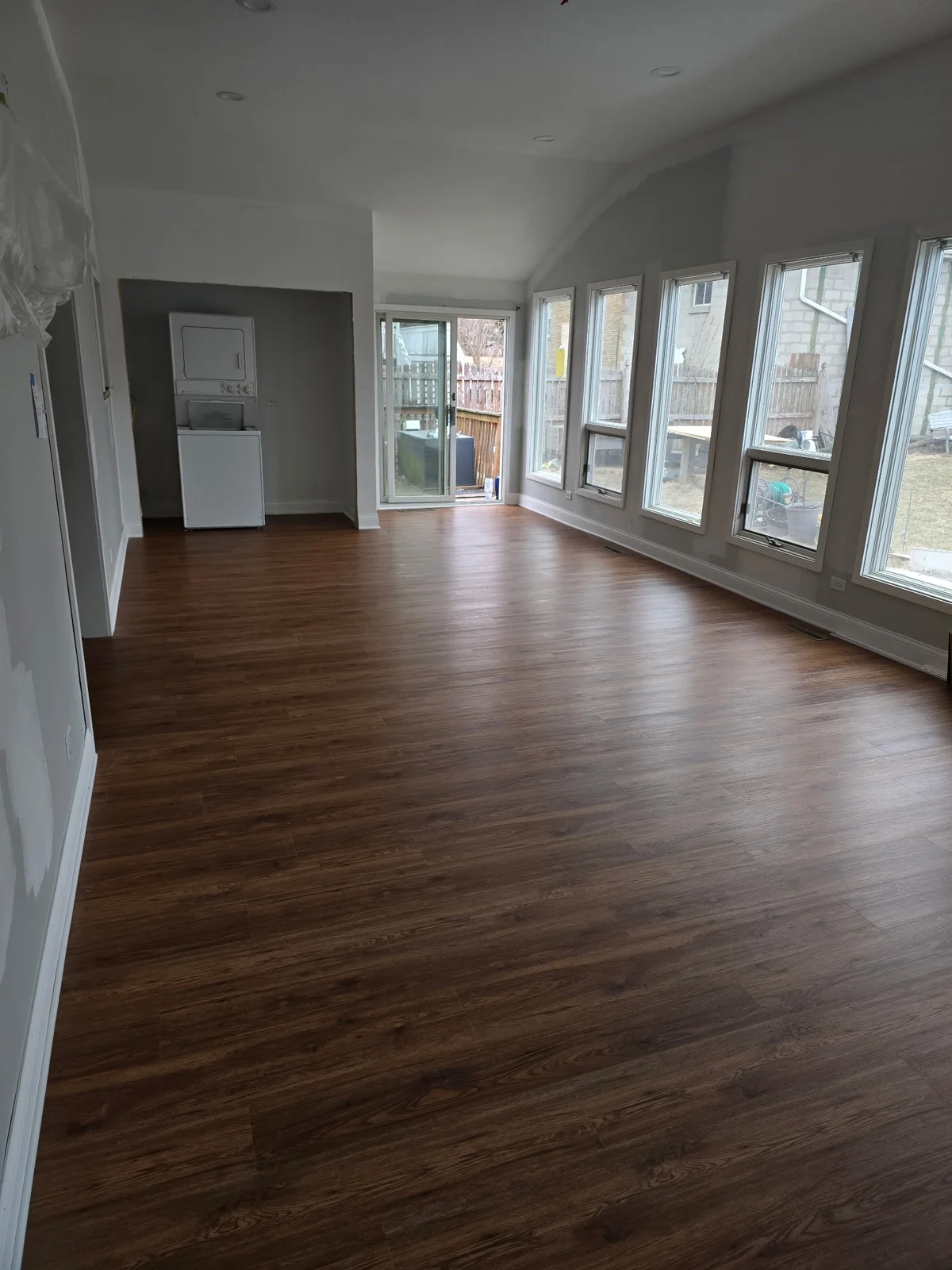
September 5, 2026
Who Installs Laminate Flooring in Homer Glen, IL?
Written by Matt Pehr, owner of The Floor 4U. Yes. The Floor 4U installs laminate flooring in Homer Glen, IL, working from the...