(708) 775-3648

How Long Does LVP Flooring Last? A Wear-Layer Lifespan Guide
Matt Pehr
April 19, 2026
Short answer: HomeGuide’s luxury vinyl guide (page dated June 3, 2025, captured October 2026) says luxury vinyl flooring lasts 20 to 50 years when taken care of. That is a published national figure, not a promise from The Floor 4U. Below, we cover what shortens an LVP floor’s life and how to get every year out of it.
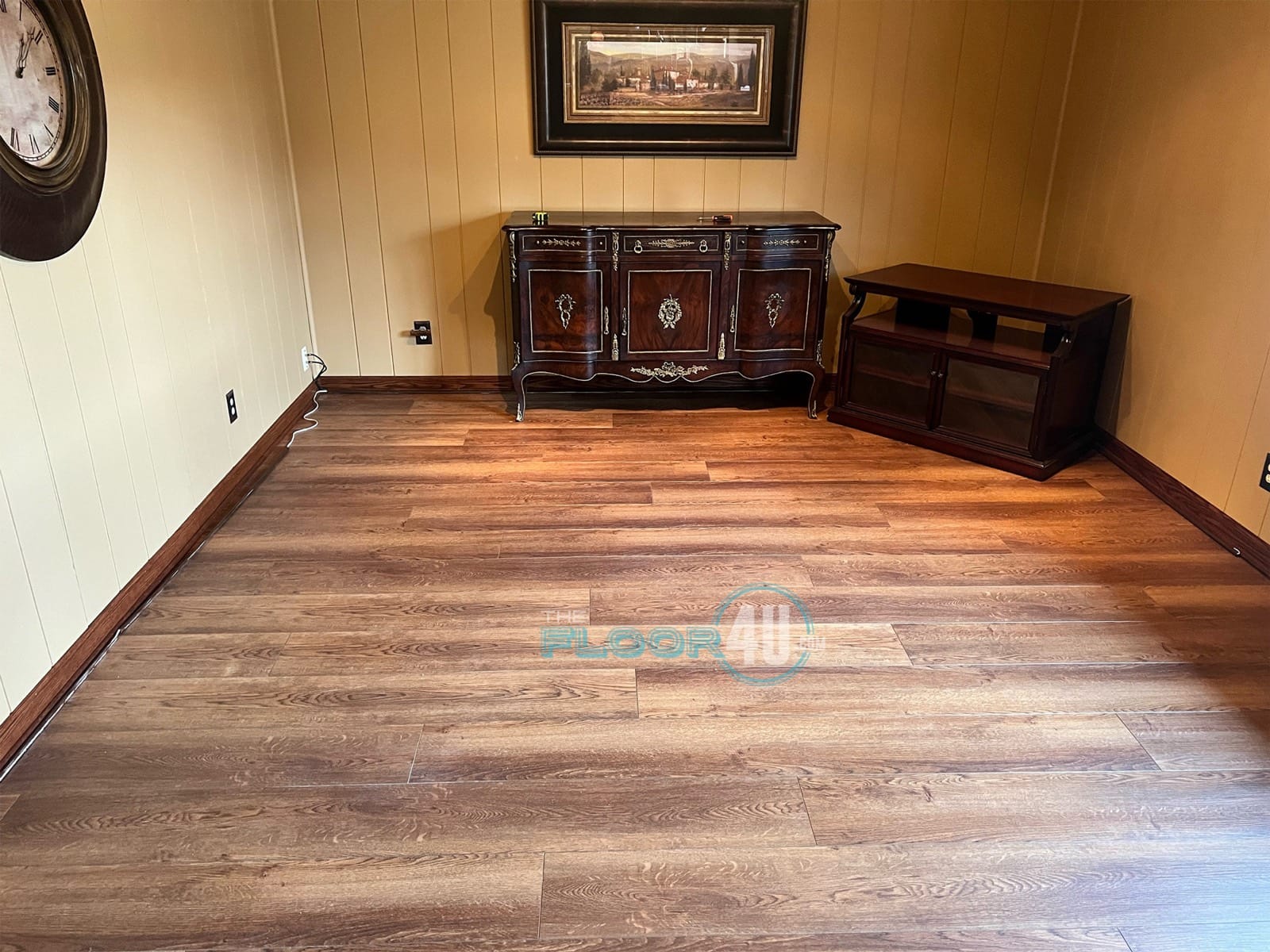
The short answer: how long LVP actually lasts
The same HomeGuide guide says flexible core flooring is cheaper but less durable than rigid or stone core flooring, and that vinyl floors need to be replaced once the top layer is worn through.
Three things to know about an LVP floor:
- The wear layer — the clear protective top coat, measured in mils.
- Installation and subfloor quality — an uneven or poorly prepped subfloor shortens any floor’s life.
- Traffic, pets, sunlight, and maintenance — how hard the floor lives day to day.
Lifespan figures here are general estimates. Actual results vary by product grade, installation, and use.
What the wear layer is
The “wear layer” is the transparent, urethane-coated top surface that takes all the abuse — foot traffic, pet nails, dragged chairs. It’s measured in mils (thousandths of an inch).
Browsing options? See our guide to the best LVP brands for Mokena homes, where we compare wear layers head-to-head.
You may also see flooring carry an AC (Abrasion Class) or commercial use rating alongside the mil number. For a home, an AC3–AC4 rated product paired with a 12–20 mil wear layer is more than enough. When you shop, ask two questions: what is the wear-layer thickness in mils, and what does the manufacturer’s residential warranty actually cover? A confident, specific answer to both is a good sign you’re looking at a floor built to go the distance.
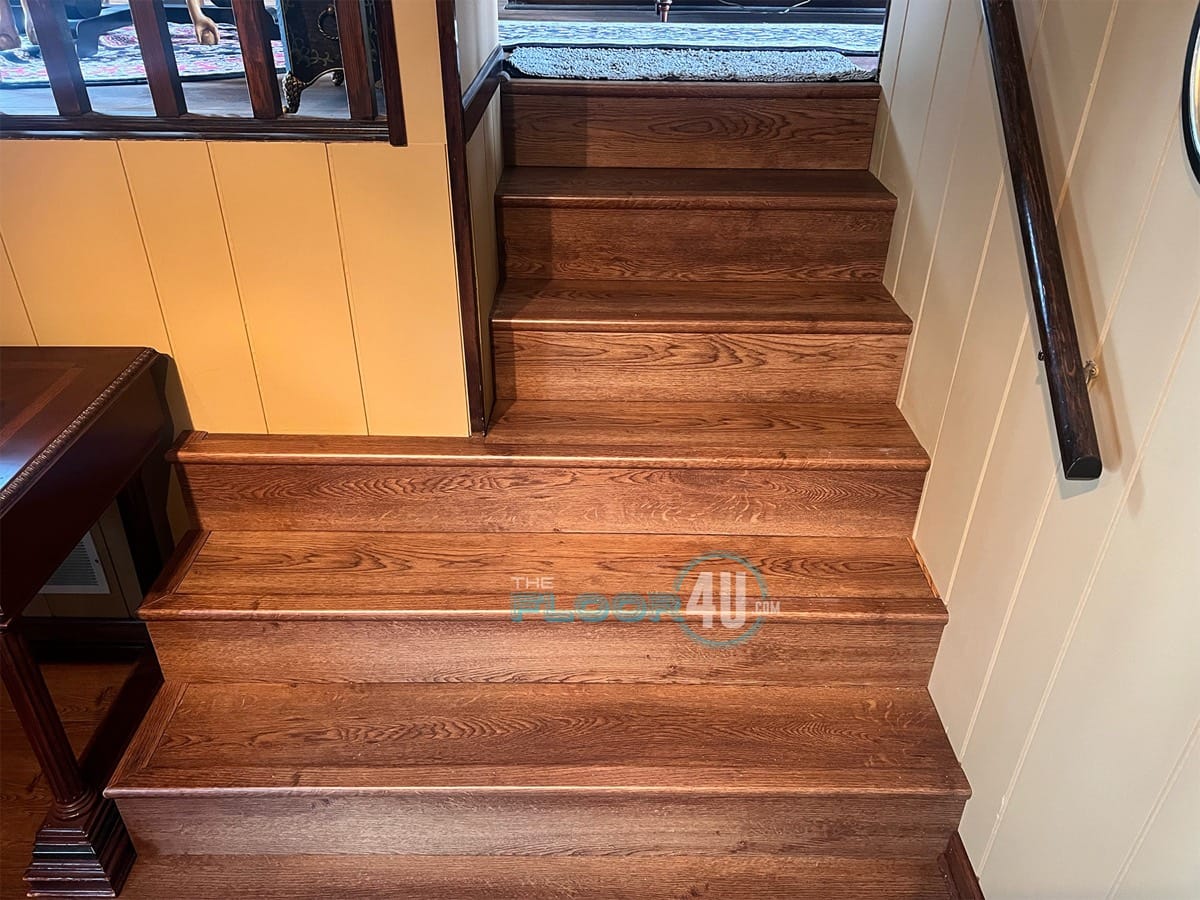
What decides how long your LVP lasts
Two identical planks can last wildly different lengths of time depending on what’s under and on top of them. Here’s what actually moves the needle:
- Subfloor prep & installation. Rigid-core LVP is forgiving, but it still telegraphs lumps, dips, and debris in the subfloor over time, which leads to flexing, gapping, and premature wear. A properly leveled subfloor and correct expansion gaps help prevent that.
- Product construction. Modern LVP is built on a rigid core — SPC (stone-plastic composite) or WPC (wood-plastic composite). Premium rigid-core lines like COREtec luxury vinyl add dimensional stability.
- Daily life. Direct, all-day sunlight can fade any resilient floor; unprotected furniture legs dent it; grit acts like sandpaper. None of these are dealbreakers — they’re just the variables you control (more on that below).
The honest part: disadvantages that affect lifespan
Most “how long does LVP last” articles skip this. We won’t — because knowing the limits is how you make a floor last. The real disadvantages of vinyl plank flooring are:
- You can’t sand and refinish it. Unlike hardwood, once the wear layer is gone, the plank is done.
- Heavy, sharp loads can dent it. Refrigerators, piano legs, and high heels can leave marks. Felt pads and load-spreaders solve this.
- Intense UV can fade it. South-facing rooms with no window treatment may show color shift over many years.
- It’s only as flat as your subfloor. Cheap, fast installs over a bad subfloor are the most common reason an LVP floor disappoints early.
The takeaway: LVP’s lifespan is mostly in your control. Install it right and care for it, and the “disadvantages” rarely surface.
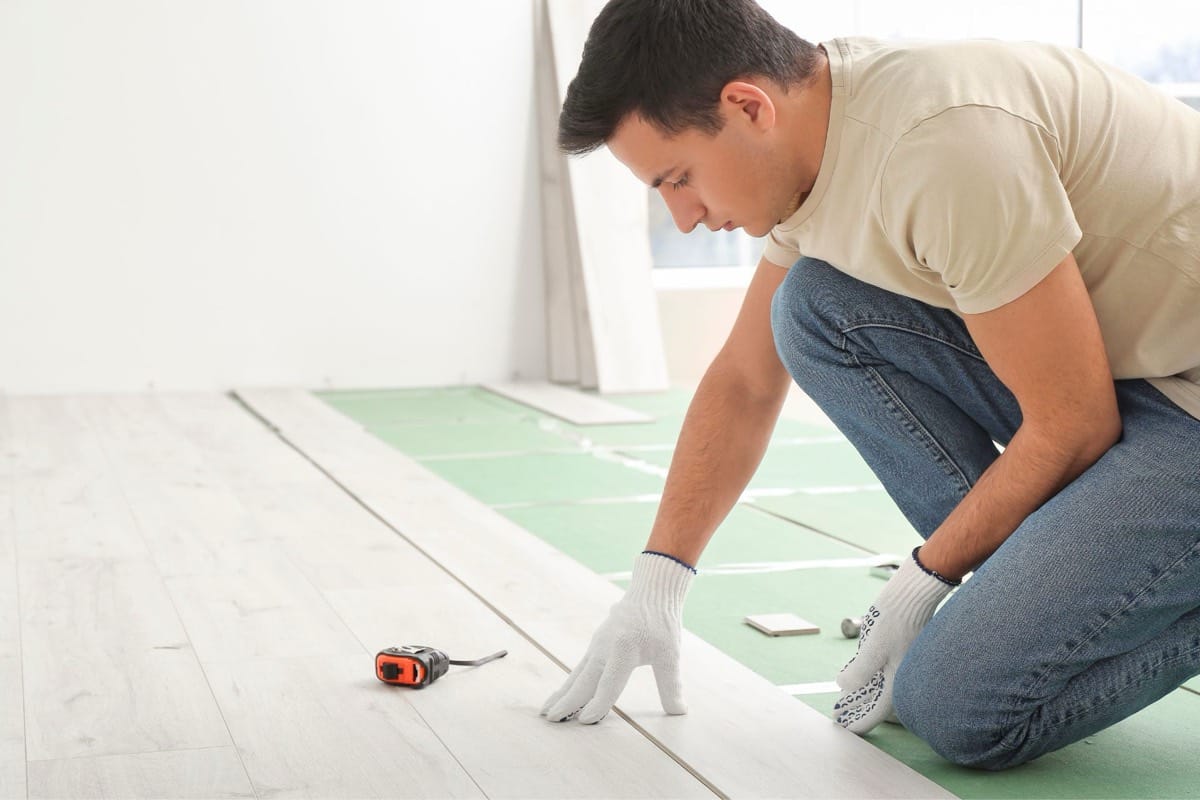
LVP vs hardwood, laminate & tile: how they compare
Lifespan isn’t the only thing that matters — waterproofing, refinish-ability, and cost-per-year all factor in. Here’s the honest comparison:
| Flooring | Refinish? | Waterproof? |
|---|---|---|
| Luxury vinyl plank | No | Yes (rigid core) |
| Laminate | No | Water-resistant only |
| Solid hardwood | Yes (multiple times) | No |
| Porcelain/ceramic tile | n/a | Yes |
Hardwood and tile can outlive LVP on paper — but hardwood is vulnerable to water and far pricier, and tile is hard and cold underfoot. LVP wins the cost-per-year-of-comfort equation for most living spaces, and it’s the only one of the four that’s both warm underfoot and fully waterproof. Not sure which fits your home? Our team walks you through it during a luxury vinyl flooring consultation in Mokena.
Does LVP add or reduce home value — and how often do you replace it?
Does LVP reduce home value? In most mid-market homes, quality luxury vinyl is a positive or neutral resale feature — buyers love that it’s waterproof, pet-proof, and move-in-ready. In luxury price tiers, some buyers still expect real hardwood in main living areas, so it’s worth matching the floor to the home.
How often should you replace LVP? There is no set schedule: HomeGuide’s luxury vinyl guide says vinyl floors need to be replaced once the top layer is worn through. The warning signs are covered below.
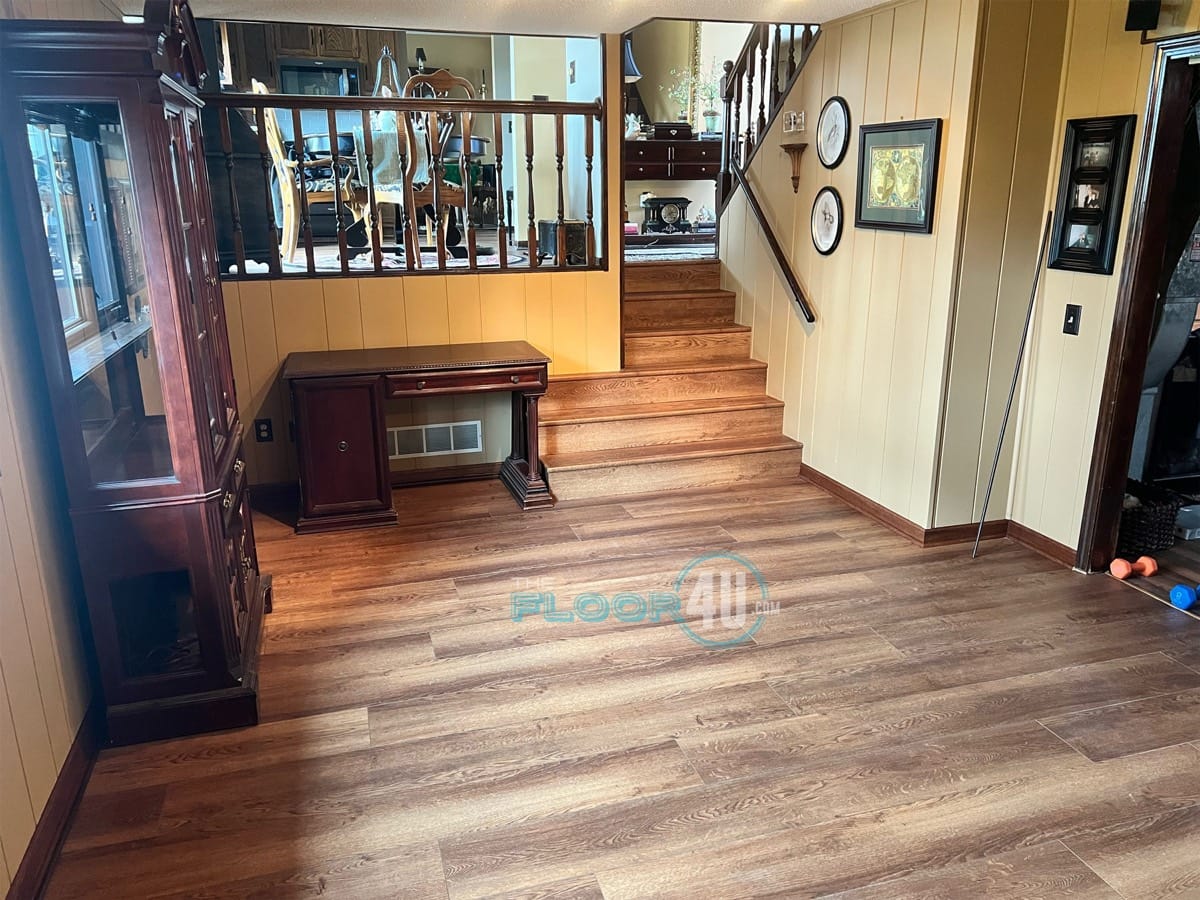
Where LVP lasts best: basements, concrete, bathrooms, pets & kids
Because today’s rigid-core LVP is 100% waterproof, it outlasts most alternatives in exactly the rooms that destroy other floors:
- Basements & concrete slabs. Rigid core handles the moisture and minor slab imperfections that ruin laminate and hardwood. See is LVP waterproof for basements?
- Bathrooms & kitchens. Spills, splashes, and humidity are non-issues for a properly installed waterproof floor.
- Homes with pets and kids. Scratch- and stain-resistant wear layers shrug off claws, toys, and spills — one of the most common reasons our Mokena and Frankfort clients choose it.
Signs your LVP is wearing out (and when to replace)
LVP rarely fails overnight — it gives you warning. These are the signs the wear layer is thinning or the floor has taken damage it can’t recover from:
- Dulling or visible traffic paths in high-use lanes where the finish has worn down.
- Scratches that catch dirt or no longer disappear — a sign the protective layer is compromised.
- Lifting, gapping, or peaking seams, which usually point to a subfloor or installation issue more than the plank itself.
- Persistent staining or discoloration that cleaning won’t lift.
One worn room doesn’t always mean a full replacement — because LVP goes down plank-by-plank, isolated damage can often be repaired (see the FAQ below). When the wear is widespread, though, replacing is usually the smarter spend.
How to make your LVP last longer (and why installation is the multiplier)
Want your LVP to last as long as it can? It comes down to a short list of habits — plus one decision made before the floor ever goes down.
- Sweep or dust-mop grit regularly; it’s the #1 abrasive.
- Damp-mop with a manufacturer-approved cleaner — skip steam mops and harsh abrasives.
- Use felt pads under furniture and a no-grit mat at entries.
- Keep indoor humidity reasonably stable to minimize expansion and contraction.
But the biggest lifespan multiplier happens on day one: professional installation over a properly prepped subfloor. It’s the difference between a floor that’s flat, gap-free, and quiet and one that fails early no matter how good the planks were. That’s where a professional LVP installation team in Mokena earns its keep — and when you weigh the install against the years you get, the cost of luxury vinyl plank pencils out to just a few dollars per year.
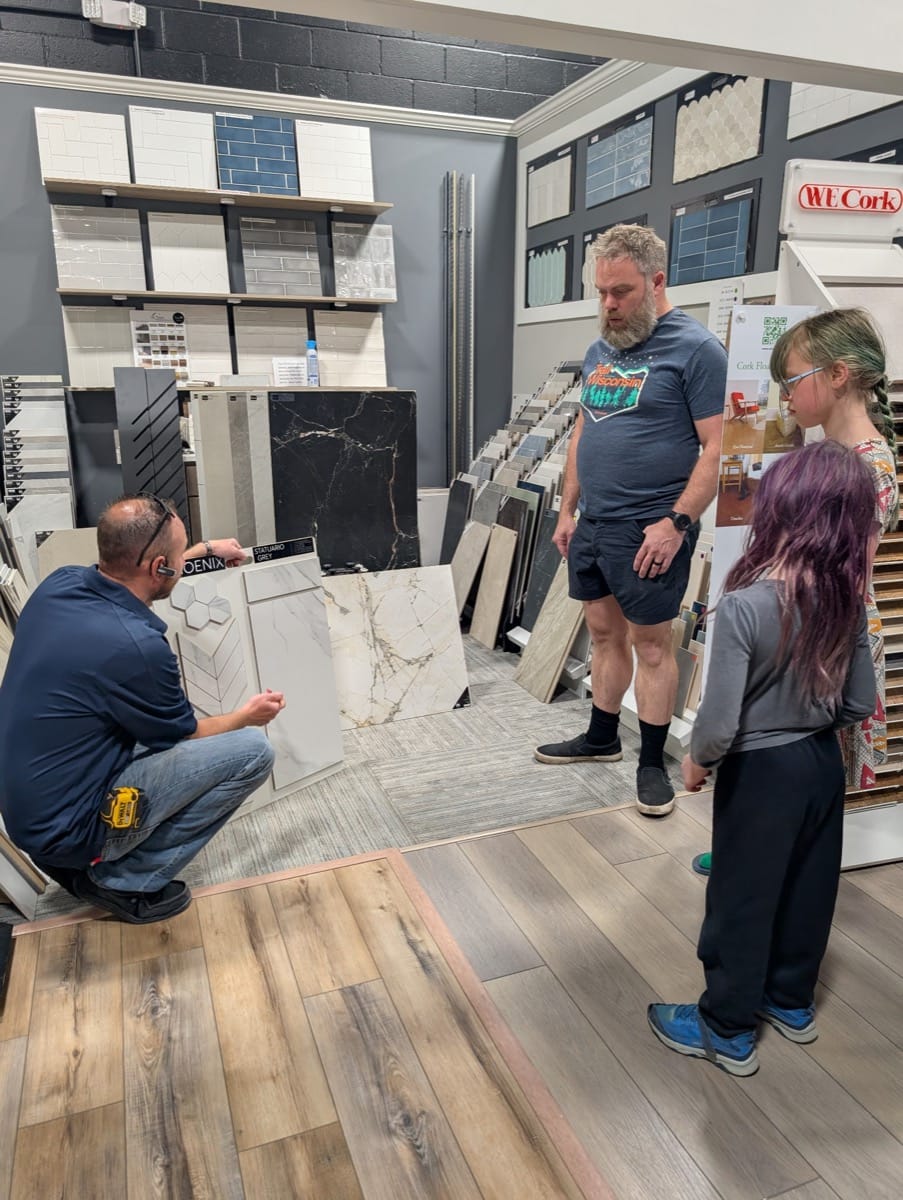
Real results from Mokena & Frankfort homeowners
We’re The Floor 4U, a flooring store and installer in Mokena, IL. The Floor 4U was founded in 2018 by Matt Pehr, building on his earlier experience through Pehrfection Home Improvement. We have 4.9 stars from 350+ Google reviews across our Mokena and Frankfort showrooms (Google Business Profile, September 2026). Here’s what longevity looks like in our customers’ own words:
“I am confident my new floors will last at least 20 years.” — Patrick M.
“We used this business 5 years ago and had a problem with LVT separating. They diligently worked with us and the manufacturer and got us a new floor when it was determined ours was defective. We had no hesitation going to them again… we’re VERY happy with both the material and installation!” — Peggy W.
“They installed COREtec Copano Oak flooring throughout our home… everything turned out beautifully.” — Ashley P.
That last point matters for lifespan: a floor is only as durable as the company standing behind it. Get a free in-home estimate and we’ll help you choose a wear layer and product built to outlast the trends.
Frequently asked questions
Reviewed by Matt Pehr, owner of The Floor 4U.
How long does luxury vinyl plank flooring last?
HomeGuide’s luxury vinyl guide (page dated June 3, 2025, captured October 2026) says luxury vinyl flooring lasts 20 to 50 years when taken care of. That is a published national figure, not a promise from The Floor 4U. HomeGuide also says vinyl floors need to be replaced once the top layer is worn through.
What are the disadvantages of vinyl plank flooring?
The main drawbacks: it dents under heavy furniture or sharp pet claws, can fade in prolonged direct sunlight, and can’t be sanded or refinished like hardwood, so a worn plank gets replaced rather than restored. Being petroleum-based, newly installed LVP can also give off a faint odor for a few days as it offgasses. None of these are dealbreakers for most households, just tradeoffs to plan around.
Can LVP be installed over my existing floor?
Often, yes. Rigid-core LVP can frequently float over an existing hard, flat, sound surface, but the subfloor has to be evaluated first, since skipping that step is the fastest way to shorten the new floor’s life. We inspect the existing floor and slab before recommending it rather than assuming any surface will work. Tile and vinyl are the two most common cases, and the flatness, grout line, layer count and floor height tests are covered in installing LVP over existing tile or vinyl.
What’s the most durable LVP for pets and kids?
Look for a rigid SPC core with a 20-mil or thicker wear layer and a scratch-resistant finish; that combination is built specifically for claws, dropped toys, and daily foot traffic. No LVP is fully scratch-proof, and forum reports of scratching almost always trace back to thinner, budget-tier planks under 12-mil rather than the material itself.
Is LVP good for basements over concrete?
Yes. Waterproof rigid-core LVP is one of the best basement flooring choices, since it tolerates the moisture and minor slab imperfections that would ruin laminate or hardwood. A vapor barrier under the plank is still worth adding for extra protection, even though the LVP itself is fully waterproof.
Does LVP devalue your home?
No, quality luxury vinyl plank does not devalue a home. Its waterproof, low-maintenance appeal helps a home show well to buyers, though it rarely adds resale value the way solid hardwood does, since appraisers and many buyers still rank real wood highest. In practice, well-installed LVP is value-neutral to mildly positive, not a liability.
How often should I replace my LVP?
There is no set schedule: HomeGuide’s luxury vinyl guide says vinyl floors need to be replaced once the top layer is worn through. Replace sooner if you see planks separating at the seams, deep gouges, or water damage reaching the subfloor.
What’s the average cost of a luxury vinyl plank?
HomeGuide, captured September 2026 (2026-09-17), puts luxury vinyl plank and tile at $4 to $16 per square foot installed. These are published national ranges, not The Floor 4U pricing. Thicker wear layers, wider planks, and rigid SPC cores sit at the higher end, and actual pricing varies by brand and region.
Get a Free Estimate
from Matt Pehr and The Floor 4U no obligation, no pressure.
Request your FREE estimate now.
Learn More
- Visit your home in Lisle, Mokena, Naperville, or nearby suburbs
- Measure your space and discuss all material options
- Provide transparent pricing for supply & installation
- Answer all your questions flooring jargon made simple
Share
Recent Posts
October 22, 2026
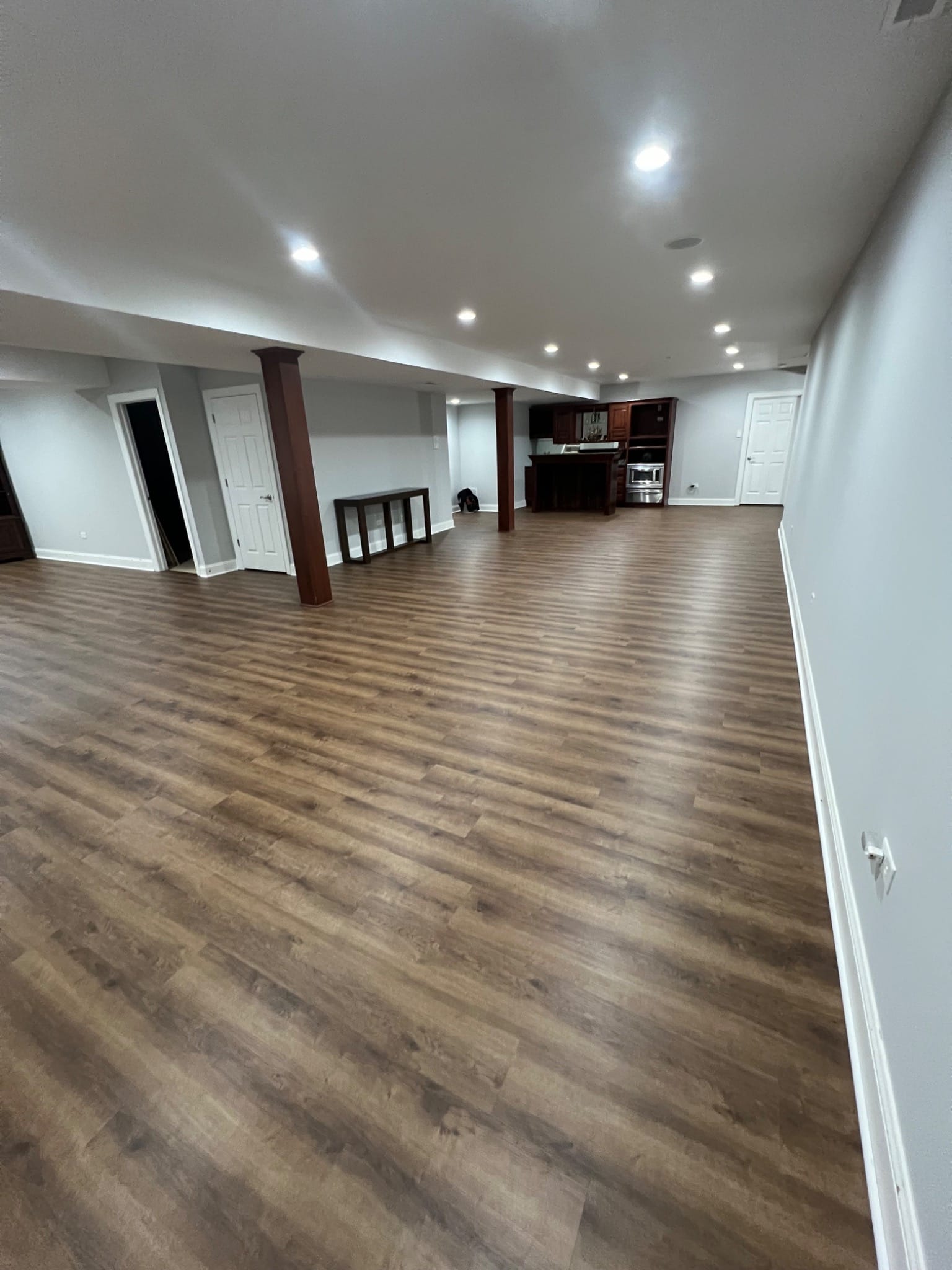
How to Choose Light Vinyl Plank Flooring for a Basement
Compare light vinyl plank samples under basement lighting, then check color, transitions, subfloor conditions, and the selected product’s installation guide....
October 22, 2026
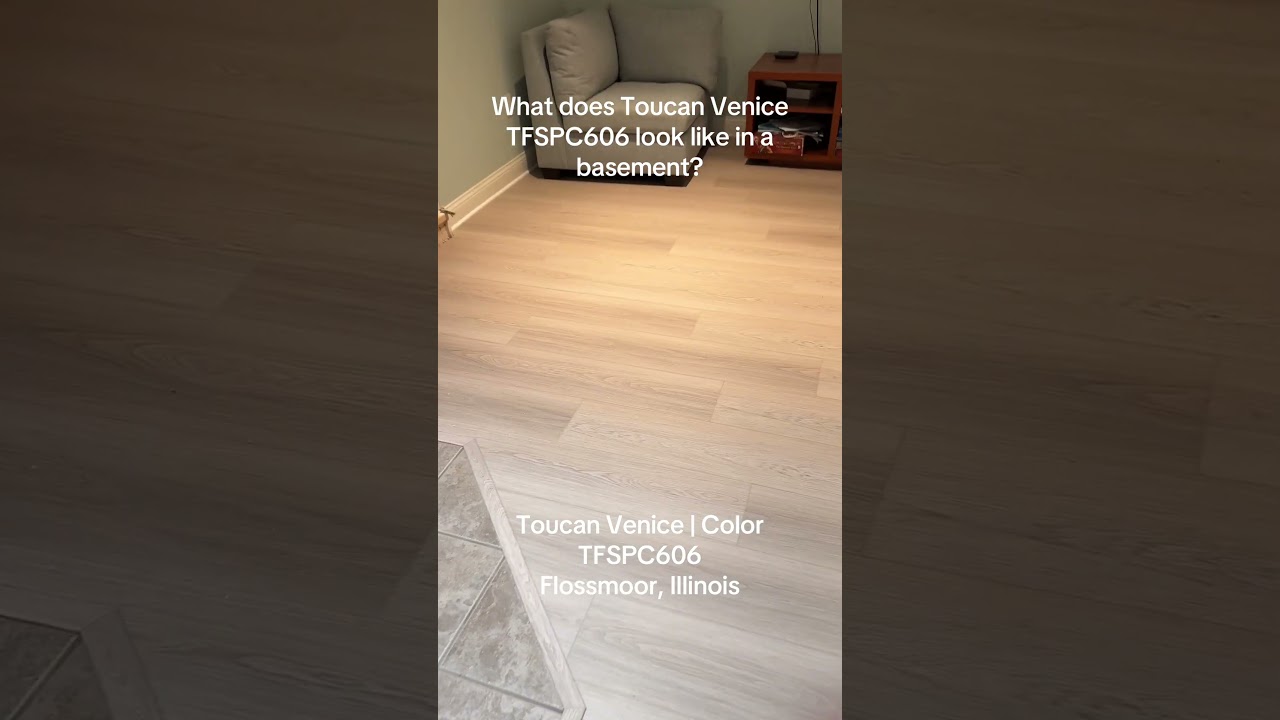
Toucan Venice TFSPC606 Basement Flooring in Flossmoor
Watch a finished Flossmoor basement floor featuring Toucan Venice color TFSPC606, installed by The Floor 4U....
October 22, 2026
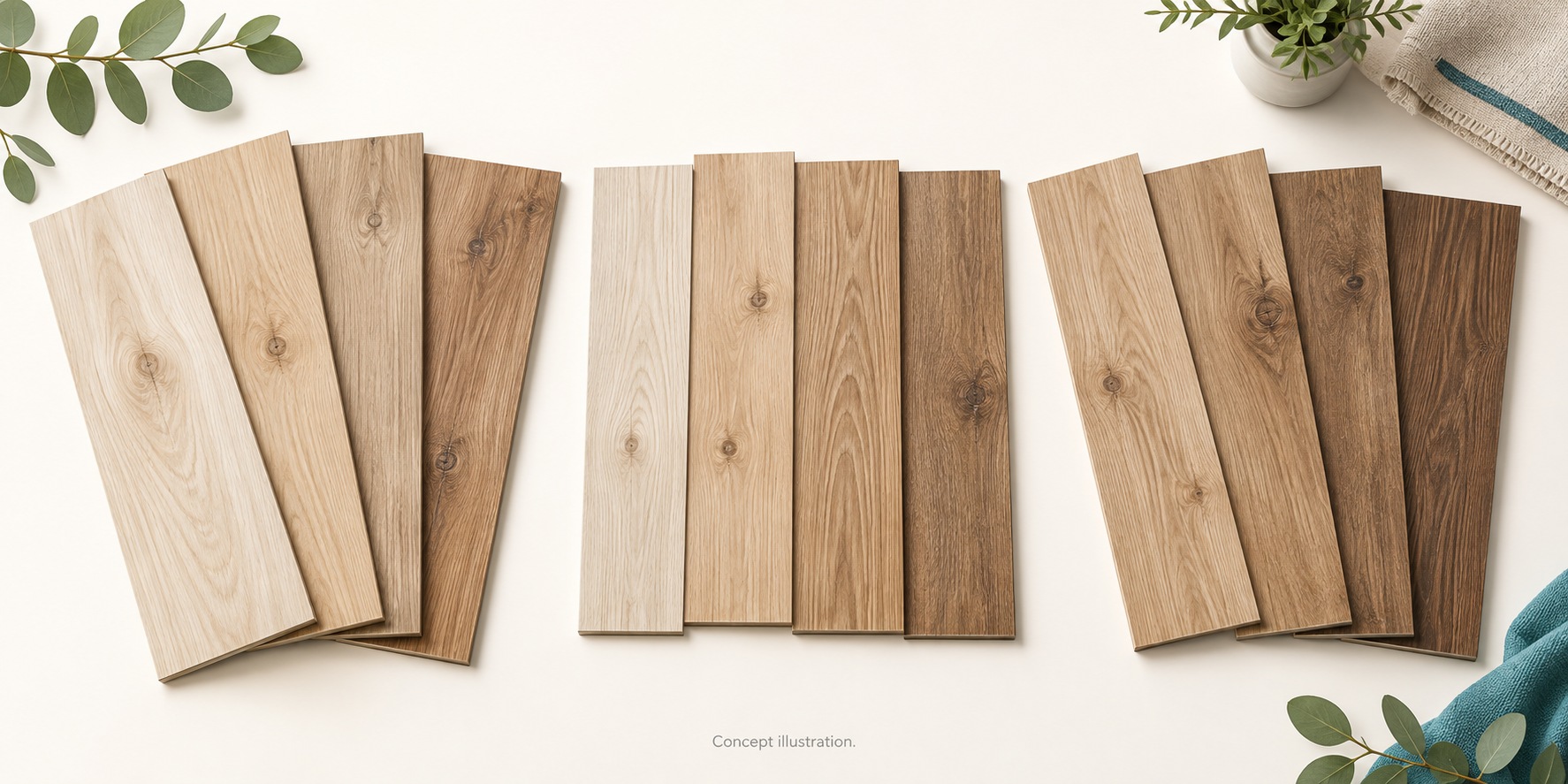
Pine-Look Vinyl Plank Flooring: How to Choose the Right Look
Compare pine-look vinyl plank samples, grain variation, room finishes, and installation details using a completed Homewood project as a reference....